
Pendants
Popular and related categories
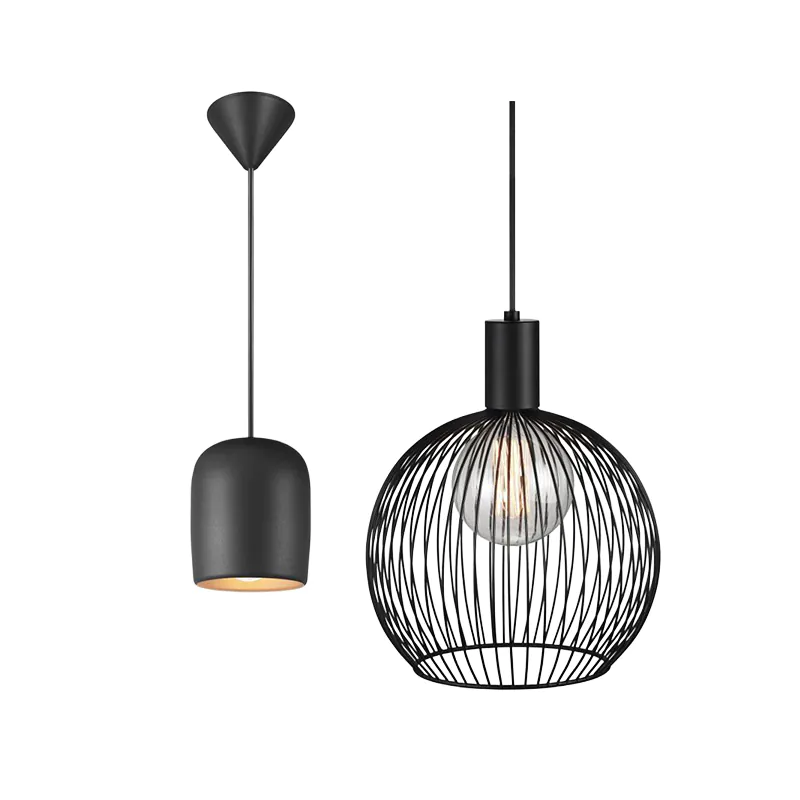
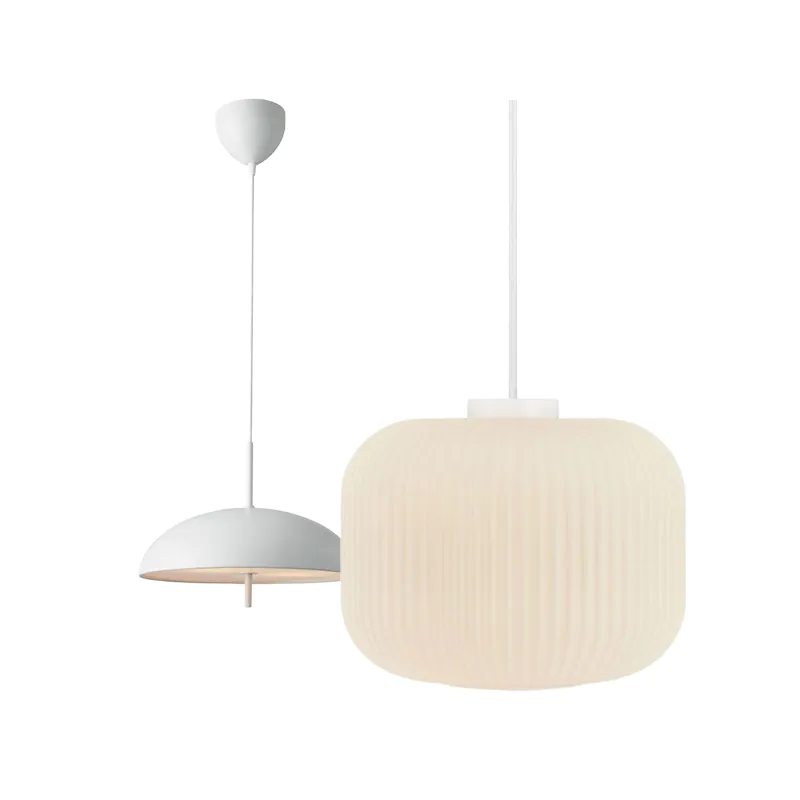
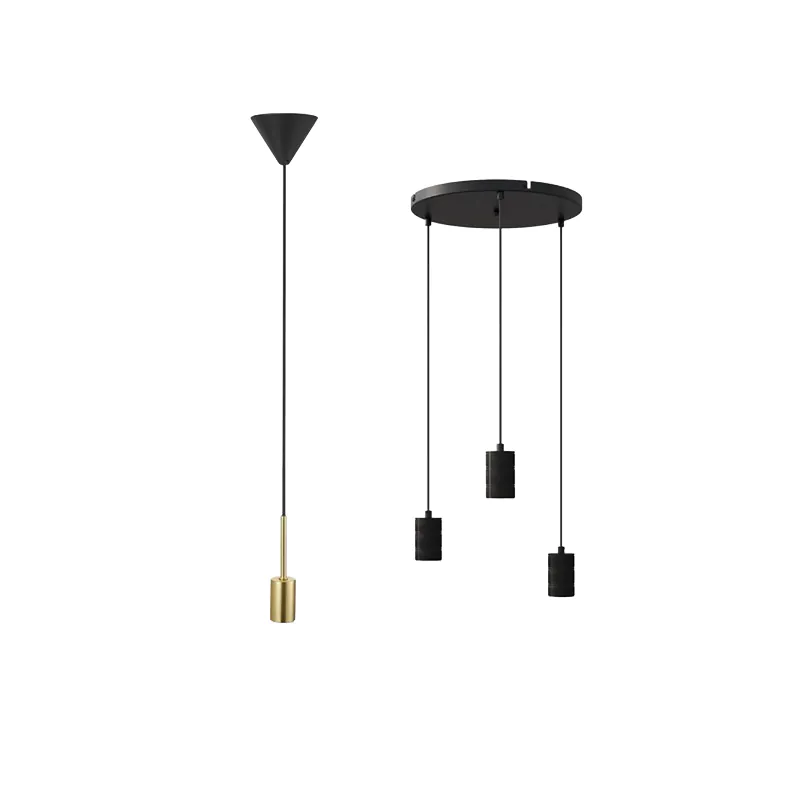
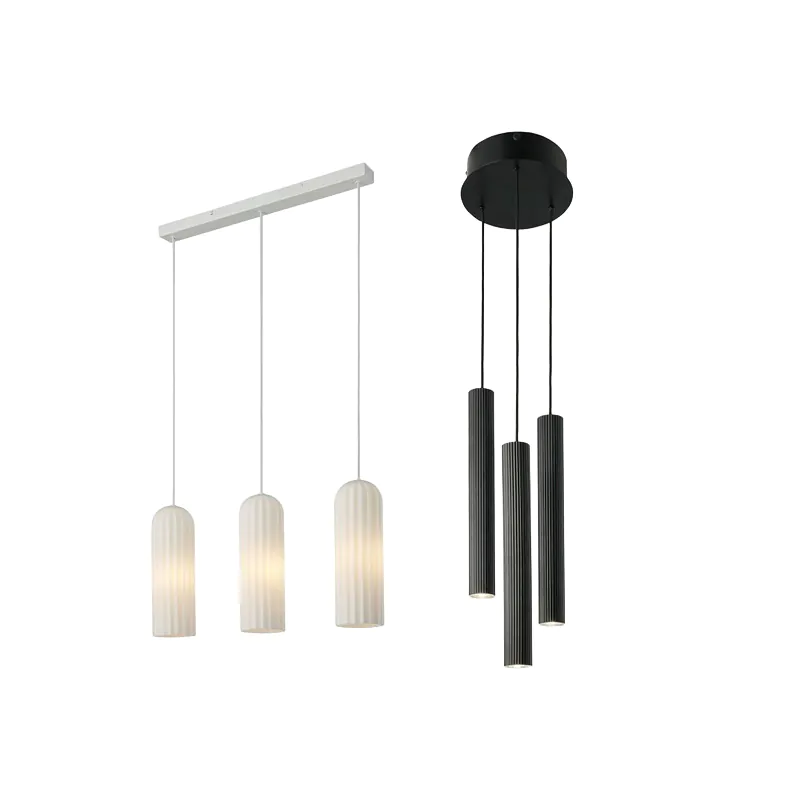
Filter inCategory
Too much choice?
Find the product in 3 steps!
Help me choose!
Current refinements:
Only in Stock
Colour of the Fixture
Explanation
The colour of the fixture can play a major role in the interior design of a room. You can opt for a neutral white design or a darker colour, such as black or silver, to make the light source stand out or even turn it into a decorative feature on its own.
Technology
Explanation
The technology indicates the operating base of a light source. The most well-known and energy-efficient example is LED. Other techniques include Halogen, gas discharge, TL (fluorescent) and the light bulb.
Suitable for
Colour temperature (Kelvin)
Explanation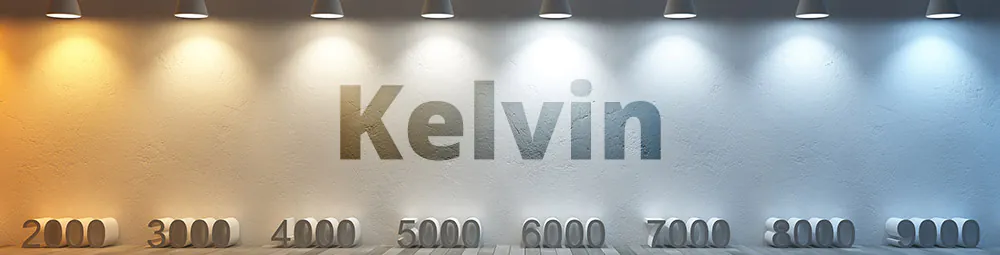
Brand
Luminous Flux (Lumen)
Explanation
The number of lumens (lm) is the light output of a light source. The higher the number of lumens, the more light the light source emits. The wattage and the number of lumens are not connected to each other. An LED lamp with a low wattage can have a higher number of lumens than a conventional lamp with a high wattage.
Dimmable
Explanation
Dimmable bulbs work in combination with a dimmer switch and allow you to determine the desired light output. Dimming also provides energy saving potential because less power is required when the lamp is producing less light.
Amount of bulbs required
Wattage
Explanation
The wattage indicates how much energy a light source consumes. With LED lighting, the wattage is considerably lower than with conventional lighting. LED lamps with a higher wattage generally also have a higher light intensity (number of lumens).
Any Lamp all-in warranty
Explanation
Our all-in warranty is fully included in the product price and covers both hidden defects and technical defects of the product that occurred before delivery. The warranty period differs per product and ranges from 1 year to a maximum of 7 years.
Colour Code
Explanation The colour code is a combination of colour rendering (CRI) and light colour (Kelvin). The first number indicates the colour rendering (1 = very poor colour rendering, 9 = maximum colour fastness). The second and third number contains the light colour. Example: the colour code 830 consists of good colour rendering (8) and warm white light (3000K).
The colour code is a combination of colour rendering (CRI) and light colour (Kelvin). The first number indicates the colour rendering (1 = very poor colour rendering, 9 = maximum colour fastness). The second and third number contains the light colour. Example: the colour code 830 consists of good colour rendering (8) and warm white light (3000K).
Colour of Light
Explanation
The light color indicates the color of the light emitted: white, colored, or UV. For many products in our assortment, the light is white, available in a range from very warm white to daylight white (expressed in Kelvin). With colored light, you have two options: 1. A single fixed color, such as red or green. 2. RGBW, which means you can adjust the light color at any time: white or colored.
Light colour options
Explanation
The colour control type tells you in which way you can regulate the colour of the light. You have the following options:
1. Single colour: This light has one fixed light colour. You cannot change it.
2. CCT: You choose from 2 or 3 fixed colours via a switch, such as warm white or cool white.
3. Tunable white: The white light can take any values in the listed Kelvin scale, for instance 2200K up to 6500K.
4. Dim to warm: Dimming makes the light warmer (more yellow). The more you dim, the warmer the colour.
5. RGB: You can set the light to almost any colour. From red to blue, you fill it in completely as you wish.
By choosing your preferred light colour options, you are one step closer to the right light product.
Housing
Colour of material
Including bulb
Explanation
Many LED fixtures in our range have a built-in LED module, but there are also fixtures that are available excluding the bulb. In that case, we have a suitable LED bulb, LED spotlight bulb or LED fluorescent tube available for every fixture without a bulb.
Energy efficiency class
Explanation Every bulb or fixture has an energy efficiency class A to G. Energy label A is the most efficient and G the least. LED lighting is the most sustainable lighting technique. Even if a LED bulb is rated E or lower, they still save 70% of energy compared to conventional lighting with the same energy label. Why is it the same label then? To motivate LED brands to get even more durable.
Every bulb or fixture has an energy efficiency class A to G. Energy label A is the most efficient and G the least. LED lighting is the most sustainable lighting technique. Even if a LED bulb is rated E or lower, they still save 70% of energy compared to conventional lighting with the same energy label. Why is it the same label then? To motivate LED brands to get even more durable.
is_groupedproduct
Show products
Too much choice?
Help me choose!
Current search
433-422 out of 422
results found
Filter
Sort by
